Showing posts with label medicine. Show all posts

Thursday, April 4, 2013

Honey's Natural Benefits

Medicinal Use Of Honey

What researchers are learning about honey's possible health benefits.


Honey has a long medicinal history. The ancient Egyptians not only made offerings of honey to their gods, they also used it as an embalming fluid and a dressing for wounds. On that last point, at least, they were on to something.

Today, many people swarm to honey for its antibacterial and anti-inflammatory properties. Holistic practitioners consider it one of nature's best all-around remedies.

But outside of the laboratory, claims for honey's healthfulness are unproven -- except in the area of wound care and, to a lesser extent, cough suppression.

Here's the truth behind the claims about honey's health benefits -- and an important warning.

Never Give Honey to an Infant

Honey is natural and considered harmless for adults. But pediatricians strongly caution against feeding honey to children under 1 year old.

"Do not let babies eat honey," states foodsafety.gov, a web site of the U.S. Department of Health and Human Services.

That's because of the risk of botulism. The spores of the botulism bacteria are found in dust and soil that may make their way into honey. Infants do not have a developed immune system to defend against infection, says Jatinder Bhatia, MD, a Georgia neonatologist who heads the American Academy of Pediatrics' Committee on Nutrition.

"It's been shown very clearly that honey can give infants botulism," a paralytic disorder in which the infant must be given anti-toxins and often be placed on a respirator in an intensive care unit, he says. Bhatia has never seen a case of infant botulism.


But parents may feed their infants cereals that contain honey, he says. "It's cooked, so it's OK," Bhatia says. He explains that when it comes to botulism risk, "we're talking about honey out of the bottle.''

The National Honey Board, which the USDA oversees, also agrees that infants should not be given honey. "The concern for babies stems from the fact that infants lack the fully developed gastrointestinal tract of older humans," the Board's web site states.


Antibacterial Honey?

In the laboratory, honey has been shown to hamper the growth of food-borne pathogens such as E. coli and salmonella, and to fight certain bacteria, including Staphylococcus aureus and Pseudomonas aeruginosa, both of which are common in hospitals and doctors' offices. But whether it does the same in people hasn't been proven.

Shop for honey and you'll see that some are lighter, others are darker. In general, the darker the honey, the better its antibacterial and antioxidant power.

Honey comes in many varieties, depending on the floral source of pollen or nectar gathered and regurgitated by the honey bee upon arrival in the hive.

Honey producers may apply to the U.S. Department of Agriculture (USDA) for a grade on their product, but the score does not account for color. Rather, the honey is judged for clarity, aroma, and flavor, and the absence of sediments, such as honeycomb particles.

Honey and Wound Care

Manuka honey is sometimes used to treat chronic leg ulcers and pressure sores.
Manuka honey is made in New Zealand from the nectar of Leptospermum scoparium. It's the basis of Medihoney, which the FDA approved in 2007 for use in treating wounds and skin ulcers. It works very well to stimulate healing, says wound care specialist Frank Bongiorno, MD, of Ann Arbor, Mich.

"Medihoney has been our standard for healing wounds in the past year, since it started coming on the market," Bongiorno says. A healing wound, whether chronic or acute, is a clean, granulating wound that is absent of bacteria and swelling. Bongiorno doesn't use Medihoney for burns because it can cause pain.

Bongiorno has visited Haiti, where people use ordinary honey for wounds, and although it isn't harmful, it doesn't have the impact of Medihoney, which is purified with ultraviolet light rather than heat. Its antibacterial action is better preserved, he says.

That, of course, is useful in treating wounds, but it is Manuka honey's pH content, which leans toward acidic, that helps the healing process, says Bongiorno, who has no ties to Medihoney's maker. "It is soothing and feels good to the wound.''

Honey and Allergies

Some laboratory studies suggest honey has the potential to clear up stuffy noses and ease allergies triggered by pollen. But it's a bit of a stretch to apply that to patients, says New Jersey allergist Corinna Bowser, MD.

Bowser says she doesn't consider the studies on honey and congestion to be adequate, for a few reasons: most allergy sufferers are sensitive to wind-carried pollens like grass and ragweed -- the kind not carried by bees and transformed into honey.

"If you want to treat someone for common allergies, it's not commonly found in bee honey," Bowser says.

"Even if there are allergens in the honey, it wouldn't make a difference, because it gets broken down by stomach acids and doesn't trigger an immunological response," Bowser says. In contrast, "The pills we take for allergies are coated so they don't get broken down," she says.

Honey and the Common Cold

Maryland family doctor Ariane Cometa, MD, who describes herself as a holistic practitioner, likes to use a buckwheat honey-based syrup to ease early symptoms of a cold. She says it calms inflamed membranes and eases a cough -- the latter claim supported by a few studies.

In a study that involved 139 children, honey beat out dextromethorphan (a cough suppressant) and diphenhydramine (an antihistamine) in easing nighttime cough in children and improving their sleep.

Another study involving 105 children found that buckwheat honey trumped dextromethorphan in suppressing nighttime coughs.

"If you're suffering from a cold or something going on in the throat or upper airways, getting on board with honey syrup will help fight infection and soothe membranes," says Cometa, who also recommends a buckwheat honey-based allergy medicine.


Honey and Diabetes


Even if honey is natural, it is no better than ordinary white or brown sugar for dieters or people with diabetes, says dietitian Toby Smithson, RD, CDE, a spokesperson for the American Dietetic Association and founder of the web site, Diabetes Everyday.

A tablespoon of honey, in fact, has more carbohydrates and calories than granulated white or brown sugar.

"One of my favorite quotes is that 'a sugar is a sugar' when it comes to diabetes," Smithson says. "I think it's a widespread myth that honey is better for diabetes. Some patients don't classify honey as a sugar.''

Smithson, who has type 1 diabetes, says she prefers getting carbs from a cup of fresh berries or a carton of yogurt because they have about the same number of carbs as a tablespoon of honey -- but less sugar.

"There are some minerals and vitamins and antioxidant properties in honey -- the darker the honey, the higher the level of antioxidants -- but with yogurt, you can also get those benefits. When you have diabetes, you have to be picky and choosy about carbs and calories.''


By 
WebMD Feature


Honey as Nature’s Skin Care

Manufacturers have used honey in everything from hand lotions and moisturizers to bar soaps and bubble baths. One reason they use honey is for its wholesome, all-natural image; more and more consumers are demanding cosmetics and personal care products made from natural ingredients. In the case of honey, however, image is just the beginning.

First, honey is a humectant, which means it attracts and retains moisture. This makes honey a natural fit in a variety of moisturizing products including cleansers, creams, shampoos and conditioners.

Look for honey in store-bought beauty products or simply add a squeeze of honey to your moisturizer, shampoo or soap at home.  For some extra pampering, try whipping up a simple beauty recipe yourself.

Using honey, a natural humectant with antimicrobial properties, we have created a series of recipes that will help hydrate skin while relaxing the soul.

We also recommend the following tips for keeping skin at its pure and natural best.
Protect Skin from the Sun: Use sunblock every day - not just when it’s sunny. Apply sunscreen 30 to 40 minutes before exposure to allow active ingredients to begin working.

Cleanse Twice Daily: Cleansing in the morning removes waste excreted during the skin’s nocturnal self-cleansing process. In the evening, it ensures removal dirt, oil and makeup.

Get Adequate Sleep: Your skin will tell you if you’re sleep deprived. Without adequate sleep, your body can’t restore and repair itself. Not only will you live longer, your skin will look better, too!

Reduce Stress: Stress ages body tissue - especially skin tissue. Exercise, massage therapy, yoga, aromatherapy and meditation are highly effective against stress.


 -pHg-

Monday, July 5, 2010

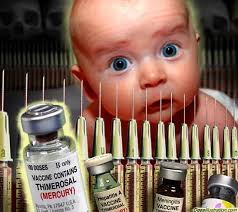
Infant Vaccinations

Some parents are choosing to space out and delay recommended vaccines because they're worried that their infants are getting too many shots too soon, potentially contributing to later mental health issues.

The issue has been especially persistent when it comes to autism, which some believe is tied to vaccines, although numerous studies have discounted such a link.

However, a study published online May 24 in the journal Pediatrics finds no neurological benefit to delaying immunizations during the first year of life.

Researchers at the University of Louisville analyzed the health records of more than 1,000 children. After comparing the kids' performance on 42 neuropsychological tests between the ages of 7 and 10 against the timeliness of vaccination during the first year of life, the researchers found no evidence that delaying vaccines gave children any advantage in terms of brain development.

"Our study shows that there is only a downside to delaying vaccines, and that is an increased susceptibility to potentially deadly infectious diseases," said lead researcher Dr. Michael J. Smith, a pediatric infectious diseases specialist at the University of Louisville School of Medicine. "We hope these findings will encourage more parents to vaccinate according to the American Academy of Pediatrics schedule, and reassure them that they're making a safe choice when they do so."

Smith said the study is the first to evaluate the long-term neuropsychological impacts of multiple vaccinations received in the first seven months of life. In the past few years, more and more parents are asking their pediatricians for an alternative vaccine schedule, "but we found that nobody had really looked at whether there are any advantages to delaying vaccines," he said.

Using publicly available records collected for a previous study of exposure to the vaccine preservative thimerosal, Smith and co-author Dr. Charles Woods reviewed the immunization records of 1,047 children born between 1993 and 1997, as well as their performance on 42 in-depth neuropsychological tests taken between 2003 and 2004. Children were classified as up-to-date if they had received at least two hepatitis B, three diphtheria-tetanus-pertussis (DTP), three Haemophilus influenzae type B (Hib) and two polio vaccines on time during the first seven months of life. A vaccine was considered on time if it was given within 30 days of the recommended age.

The developmental tests included assessments of speech and language, fine motor coordination, behavior regulation, general intellectual functioning and other abilities.

Two separate analyses were performed. In the first, children with timely receipt of vaccination were compared to all other children in the study who had delays in receipt of one or more doses. In a second analysis, children who received the maximum number of vaccines in the first seven months of life were compared to those who received the fewest vaccines in the study group.

In both analyses, the researchers found no evidence to suggest that multiple vaccines in the first year of life negatively impact a child's cognitive abilities later. In fact, the first analysis revealed that children who received all their vaccines on time performed slightly better on two of the 42 tests, after adjustment for familial and socioeconomic factors. Kids who missed or were late on one or more doses of vaccine didn't do better on any test.

Vaccine expert Dr. Gary L. Freed, director of the Child Health Evaluation and Research Unit at the University of Michigan Health System, said he wasn't surprised by the findings, since "there's never been any evidence whatsoever that delaying vaccines does any good for any child." And the reason children receive so many vaccines at such young ages is because "the life-threatening diseases that they protect against are most likely to attack at these ages," he said.

The researchers pointed out that newborns now receive two additional vaccines and one that has been reformulated, so more studies are needed to confirm this study's implications for new generations of babies. However, they also noted that infants' immune systems are actually exposed to fewer vaccine antigens now than they were during the period covered by this study, so the findings are likely to be similar.

more source : CDC

Articles: Jakarta Post

RI to produce H1N1, H5N1 vaccines

The government, together with state-owned pharmaceutical company PT Bio Farma, plans to start producing vaccines for the H1N1 and H5N1 strains of influenza by November 2010.

The plan was revealed Monday during the inauguration ceremony of Airlangga University's avian influenza research center (AIRC) bio safety level-3 (BSL-3) in Surabaya by Vice President Boediono.

"I hope the vaccines to be produced will be beneficial to the people of Indonesia," Boediono said.

The center's team of researchers handed over the seed vaccines for both H1N1 and H5N1 to Boediono, who in turn gave them to Health Minister Endang Rahayu Setyaningsih as a symbolic gesture. The minister then passed them on to PT Bio Farma.

Also attending the ceremony were National Education Minister Muhammad Nuh, East Java Governor Soekarwo, Deputy Governor Syaifullah Yusuf and Airlangga University's rector Fasichul Lisan.

Speaking at the ceremony, Boediono expressed his pride that the team of researchers could successfully develop the seed vaccines.

He also encouraged academics and industry to develop other vaccines as well as master the technology to do so for the benefit of the people.

As Indonesia is plagued by tropical diseases, the challenge was to find and develop successful vaccines, he said.

PT Bio Farma director Iskandar said the government had allocated Rp 1.3 trillion (US$139 million) to fund the research, development and production of the vaccines.

He said his company had planned to begin clinical trials in March 2010 and would start producing the H1N1 vaccine by November 2010. "We will produce about 20 million doses in our first production run," he said.

Health Minister Endang said researchers and paramedics would receive vaccines from the first production run, arguing that they were the ones who were critically exposed to the viruses in their work.

Center researcher C.A. Nidom said his team had begun research on the vaccines in 2006 after the Health Ministry handed over five strains of the avian flu virus. In August 2009, it again gave them six strains of the influenza A virus.

Following research, the 13-member team comprising researchers from Airlangga University and PT Bio Farma finally succeeded in creating and developing seed vaccines for both infectious diseases.

Nidom also expressed optimism that the vaccines would be effective in preventing the spread of the diseases among human beings, especially after his team found the vaccines effective in trials on marmots, mice and monkeys.

He claimed that Bio Farma would be successful in mass producing the vaccines as it was the only vaccine producer in Southeast Asia.

Speaking previously in Bandung, Iskandar said the vaccine factory would be established simultaneously with the development of a chicken farm in Lembang, North Bandung.

Around 48,000 poultry seeds will be developed at the facility to support the production of the vaccines by providing clean embryonated eggs as the media for developing the flu viruses using Japanese technology.

Tuesday, July 14, 2009

Swine Flue (H1N1) Pandemic


Viruses resistant to oseltamivir (Tamiflu) identified

WHO has been informed by health authorities in Denmark, Japan and the Special Administrative Region of Hong Kong, China of the appearance of H1N1 viruses which are resistant to the antiviral drug oseltamivir (known as Tamiflu) based on laboratory testing.

These viruses were found in three patients who did not have severe disease and all have recovered. Investigations have not found the resistant virus in the close contacts of these three people. The viruses, while resistant to oseltamivir, remain sensitive to zanamivir.

Close to 1000 pandemic H1N1 viruses have been evaluated by the laboratories in the Global Influenza Surveillance Network for antiviral drug resistance. All other viruses have been shown sensitive to both oseltamivir and zanamivir. WHO and its partners will continue to conduct ongoing monitoring of influenza viruses for antiviral drug resistance.

Therefore, based on current information, these instances of drug resistance appear to represent sporadic cases of resistance. At this time, there is no evidence to indicate the development of widespread antiviral resistance among pandemic H1N1 viruses. Based on this risk assessment, there are no changes in WHO's clinical treatment guidance. Antiviral drugs remain a key component of the public health response when used as recommended.

WHO Reccomendation For Vaccines

On 7 July 2009, the Strategic Advisory Group of Experts (SAGE) on Immunization held an extraordinary meeting in Geneva to discuss issues and make recommendations related to vaccine for the pandemic (H1N1) 2009.

SAGE reviewed the current pandemic situation, the current status of seasonal vaccine production and potential A(H1N1) vaccine production capacity, and considered potential options for vaccine use.

The experts identified three different objectives that countries could adopt as part of their pandemic vaccination strategy:

  • protect the integrity of the health-care system and the country's critical infrastructure;
  • reduce morbidity and mortality; and
  • reduce transmission of the pandemic virus within communities.

Countries could use a variety of vaccine deployment strategies to reach these objectives but any strategy should reflect the country’s epidemiological situation, resources and ability to access vaccine, to implement vaccination campaigns in the targeted groups, and to use other non-vaccine mitigation measures.

Although the severity of the pandemic is currently considered to be moderate with most patients experiencing uncomplicated, self-limited illness, some groups such as pregnant women and persons with asthma and other chronic conditions such as morbid obesity appear to be at increased risk for severe disease and death from infection.

Since the spread of the pandemic virus is considered unstoppable, vaccine will be needed in all countries. SAGE emphasized the importance of striving to achieve equity among countries to access vaccines developed in response to the pandemic (H1N1) 2009

The following recommendations were provided to the WHO Director-General:

  • All countries should immunize their health-care workers as a first priority to protect the essential health infrastructure. As vaccines available initially will not be sufficient, a step-wise approach to vaccinate particular groups may be considered. SAGE suggested the following groups for consideration, noting that countries need to determine their order of priority based on country-specific conditions: pregnant women; those aged above 6 months with one of several chronic medical conditions; healthy young adults of 15 to 49 years of age; healthy children; healthy adults of 50 to 64 years of age; and healthy adults of 65 years of age and above.
  • Since new technologies are involved in the production of some pandemic vaccines, which have not yet been extensively evaluated for their safety in certain population groups, it is very important to implement post-marketing surveillance of the highest possible quality. In addition, rapid sharing of the results of immunogenicity and post-marketing safety and effectiveness studies among the international community will be essential for allowing countries to make necessary adjustments to their vaccination policies.
  • In view of the anticipated limited vaccine availability at global level and the potential need to protect against "drifted" strains of virus, SAGE recommended that promoting production and use of vaccines such as those that are formulated with oil-in-water adjuvants and live attenuated influenza vaccines was important.
  • As most of the production of the seasonal vaccine for the 2009-2010 influenza season in the northern hemisphere is almost complete and is therefore unlikely to affect production of pandemic vaccine, SAGE did not consider that there was a need to recommend a "switch" from seasonal to pandemic vaccine production.

WHO Director-General Dr Margaret Chan endorsed the above recommendations on 11 July 2009, recognizing that they were well adapted to the current pandemic situation. She also noted that the recommendations will need to be changed if and when new evidence become available.

SAGE was established by the WHO Director-General in 1999 as the principal advisory group to WHO for vaccines and immunization. It comprises 15 members who serve in their personal capacity and represent a broad range of disciplines from around the world in the fields such as epidemiology, public health, vaccinology, paediatrics, internal medicine, infectious diseases, immunology, drug regulation, programme management, immunization delivery, and health-care administration.

Additional participants in the SAGE meeting included members of the ad hoc policy advisory working group on influenza A(H1N1) vaccine, chairs of the regional technical advisory groups and external experts. Observers included industry representatives and regulators who did not take part in the recommendation process in order to avoid conflicts of interest.

RELATED LINKS

Strategic Advisory Group of Experts (SAGE) on Immunization

Pandemic (H1N1) 2009: full coverage


Frequent Ask Question

What is H1N1 Influenza 09?
H1N1 Influenza 09, commonly known as ‘swine flu’, is a new type of influenza virus which causes respiratory disease in people.


How is ‘swine flu’ spread?
The virus spreads from person to person in the same way as seasonal influenza which is via respiratory droplets from coughs and sneezes. It can also be spread when a person touches respiratory droplets on another person, object or surface and then touches their mouth or nose or food they are going to eat.


What are the symptoms?
Symptoms of ‘swine flu’ appear to be similar to those of seasonal flu which include fever and cough or sore throat. You may also have a headache, runny or blocked noses, tiredness, body aches and in some instances diarrhoea and vomiting. Like seasonal influenza, ‘swine flu’ may also cause a worsening of other underlying chronic medical conditions.


What is the current situation?
The situation is constantly changing. For up to date information, please visit :
  • http://www.who.int/csr/disease/swineflu/en/
  • www.flu.sa.gov.au
Who is at risk of catching ‘swine flu’?
Anyone can get ‘swine flu’ or seasonal flu. people who have had the seasonal flu vaccine for 2009 have a much lower chance of getting seasonal flu, but can still catch 'swine flu'.


How serious is it?
Although the ‘swine flu’ virus appears to be mild in most cases, it can cause severe illness in some people. Based on evidence from overseas, The Federal Government has indicated that the following vulnerable groups are at an increased risk of severe illness from the virus:-

  • Pregnant women (particularly in second and third trimesters)
  • People with morbid obesity
  • People with chronic illnesses such as heart disease, renal disease, respiratory disease such as chronic obstructive airways disease (COAD), asthma requiring ongoing treatment, diabetes, or who are immunosuppressed from a specific disease or treatment
If you are in one of the vulnerable groups above, you should keep a careful eye on your health and avoid contact with anyone who has flu-like symptoms.


How is it diagnosed?
The diagnosis is confirmed by laboratory examination of mucus from the back of the nose or throat, or by blood tests. In the current ‘Protect’ phase, not everyone who has symptoms will be tested for ‘swine flu’. This will be decided on a case by case basis with a focus on people in the vulnerable groups listed above.


What is the incubation period?
The time between becoming infected and developing symptoms is 1 – 7 days, in most cases it appears to be between 1 – 4 days.


When would I be contagious (able to spread the illness)?
Based on current knowledge, an infected person can spread the infection to others from one day before the onset of symptoms and up to 7 days after the onset of symptoms. Children, especially younger children, may be contagious for longer periods.


What should I do if I think I have ‘swine flu’?
Not everyone who has flu (either seasonal or ‘swine’) needs to see a doctor. If you are otherwise healthy and have mild flu symptoms, you are asked to:-

  • Stay at home and keep away from work, school and crowded areas or public gatherings until your fever has gone and you feel well
  • Avoid contact with other people where possible
  • Wash your hands regularly and always after coughing or sneezing. You can use soap and water or an alcohol based hand rub
  • Wipe down frequently touched surfaces (such as remote controls or door knobs) regularly using detergent or a large alcohol wipe
  • Cover your nose and mouth when coughing and sneezing and when using tissues, make sure you dispose of them carefully in a waste bin
  • Rest, drink plenty of fluids and use a pain reliever for aches. This is adequate for recovery in most cases. A non-aspirin pain reliever should be used by children and teenagers

When should I seek medical advice?
You should seek medical advice if you are concerned about your symptoms, if your symptoms become worse, or if you experience any of the following,

* shortness of breath
* difficulty breathing
* confusion
* inability to keep liquids down because of vomiting
* dehydration (dizzy when standing, passing much less urine than normal)

For parents with a young child, you should seek medical care immediately if your child has fast or strained/laboured breathing or if their health starts deteriorating.

Who should I speak to for medical advice?
If you need medical advice, you should call your GP and find out if they can see you. If you can’t see your GP, you should go to your nearest hospital with an Emergency Department.

For advice over the phone, call the 08176677161 (Farm Department) or SMS to 9611 (Health Department)

Is there any treatment for ‘swine flu’?
‘Swine flu’ can be treated with the prescription antiviral medications oseltamivir (TamiFlu®) and zanamivir (Relenza®). Antiviral medications started within 48 hours of the onset of symptoms can reduce symptoms by about 1 day and prevent some of the more serious complications of flu.
There is currently no vaccine for ‘swine flu’ although work is underway to develop an effective vaccine.
Seasonal flu vaccine may not give protection against ‘swine flu’ but does provide protection against other circulating seasonal influenza virus types. Vaccination will also reduce the overall burden of seasonal influenza in the community and, in turn, reduce the burden on our hospitals and health system.

How do I get a prescription for antiviral medication?
Your GP will continue to make decisions about whether you need antiviral medication or not.

If I am suspected of having ‘swine flu’ and have been sent home, what should I do?
If you are awaiting the result of tests for ‘swine flu’ and have been sent home, you should follow the instructions given to you by your doctor.

What measures can I take to prevent infection?
General good hygiene can help to reduce the spread of all viruses, including ‘swine flu’.
Information on how to control the spread of disease through good hygiene practices can be found website www.health.sa.gov.au/infectioncontrol


Should I wear a mask to prevent becoming infected?
If you are ill then wearing a mask may reduce the chance of you infecting others. If you are healthy, there is no need for you to wear a mask.

Is it safe to eat pig meat?
Yes. There is no evidence that swine flu can be transmitted through eating meat from infected animals.

Where can I get further advice?
SA Health has produced a number of fact sheets on human swine influenza which are available to view through our website www.flu.sa.gov.au . These fact sheets include frequently asked questions about schools and information to assist businesses.

Regards,

Samuel Gultom
----------------------------------------------------
Free Blog Directory
----------------------------------------------------
http://samuelgultom.blogspot.com
http://gultom.synthasite.com
http://samuelgultom.webs.com
http://samuelgultom.synthasite.com
http://sammy.dagdigdug.com
http://samuelgultom.blog.com

----------------------------------------------------


Samuel Gultom Store
Directory of Children Blogs
Baby-Parenting.co.uk

Blog Search: The Source for Blogs
BlogFlux Tools

Enter your email address:

Delivered by FeedBurner

Friday, July 3, 2009

Meningitis

There are two types of meningitis: viral meningitis and bacterial meningitis. In most instances, viral meningitis is not a fatal disease. The patient will fully recover within a week by resting, drinking plenty of fluids, and taking OTC pain relievers. Bacterial meningitis, however, can be deadly if not treated promptly.

The symptoms for viral and bacterial meningitis are often the same, including a high fever and a stiff neck. That’s why, for all cases of suspected meningitis, it's critically important to head for the emergency room when symptoms first appear.

Viral and Bacterial Meningitis Symptoms

The most common meningitis symptoms for people over the age of 2 include:

  • High fever
  • Severe headache
  • Neck and shoulder pain
  • Sensitivity to light
  • Nausea and vomiting
  • Confusion
  • Sleepiness
  • Seizures

In infected babies and children under the age of 2, these symptoms may not appear — or may be difficult to detect. When infected, babies and young children may appear lethargic or be irritable, and they may vomit or not eat well. They may also have seizures as the disease progresses.

Bacterial Meningitis: A Quick Mover

Bacterial meningitis can progress rapidly, often within hours of the first symptoms, and if not quickly diagnosed and treated can cause serious long-term complications. For every hour treatment is delayed, the death rate increases by 3 percent, says Aaron E. Glatt, MD, president and chief executive officer of New Island Hospital in Bethpage, N.Y., and spokesperson for the Infectious Disease Society of America.

Each year nearly 3,000 Americans are diagnosed with meningococcal meningitis — the most prevalent type of bacterial meningitis — and between 10 percent and 15 percent of those cases are fatal. Among those who survive meningococcal meningitis, some 20 percent suffer long-term problems, including brain damage, kidney disease, or limb amputations.

"You should be aware of meningitis symptoms, and if you experience any of the symptoms, see your doctor right away," says Tom Skinner, spokesperson for the Centers for Disease Control and Prevention. "The earlier someone begins treatment, the better their chance for recovery."

How Viral and Bacterial Meningitis Spread

Both bacterial and viral meningitis are contagious, although neither is as easily spread as the flu or the common cold. The bacteria and viruses that cause meningitis are generally spread through close contact with an infected person's respiratory and throat secretions, through coughing or kissing or by sharing food or drink.

Another both types of meningitis can be spread is through contact with an infected person's stool — a reason why young children who aren’t toilet-trained, or their caregivers, can become infected.

Bacterial meningitis is especially of concern for college students, particularly those living in crowded dorms. Nearly 30 percent of all U.S. cases of bacterial meningitis are among teens and young adults aged 15 to 18. The Centers for Disease Control and Prevention (CDC) recommends that all teens get vaccinated against meningococcal meningitis (the type caused by Neisseria meningitides bacteria), and many colleges require this vaccination.

Young children, particularly those in day-care centers, and military personnel — who live in close quarters in military barracks — are also at increased risk of meningitis, as are people with a compromised immune system.

Infected Persons May Not Have Symptoms

Not everyone who has been infected with a meningitis-causing virus or bacteria will develop meningitis. About 10 percent of the population in the United States carry the bacteria in the back of their throat for months at a time without actually becoming sick themselves. It only becomes a problem when the bacteria are unknowingly passed to another person who is more susceptible to it and becomes infected.

You cannot know if a person is a carrier of meningitis-causing bacteria. But if you have been in close contact with a person recently diagnosed with bacterial meningitis, call your doctor immediately. You may need to take preventative antibiotics to prevent developing, and further spreading, bacterial meningitis.

Meningitis Treatment

Meningitis, an infection of the lining of the brain and spinal cord (the meninges), can be caused by either a virus or by bacteria. With the more common viral type of the illness, also called aseptic meningitis, the treatment is to stay in bed for a few days, drink a lot of fluids, and take OTC medication.

Bacterial meningitis is rare — but it's a potential killer. Bacterial meningitis is treated with antibiotics, but treatment must start within hours. Nearly 3,000 cases of bacterial meningitis are seen annually in the United States. Of those, 10 percent to 15 percent of the cases are fatal, while a high percentage of survivors are left with a permanent disability. In extreme cases and if not diagnosed early, bacterial meningitis can cause brain damage, hearing loss, learning disabilities, and gangrene of the extremities requiring amputations.

Bacterial Meningitis Symptoms: Not Everyone Gets Sick

The viruses that cause viral meningitis initially infect body fluids like saliva and nasal mucus. This is often how bacterial meningitis begins, too.

"Most people get infected and don't know about it because their bodies develop antibodies and the disease doesn't progress," explains Nathan Litman, MD, director of pediatric infectious diseases at the Children's Hospital at Montefiore Medical Center in New York City and a professor in the department of pediatrics at the Albert Einstein College of Medicine. "For those who don't develop immunity, particularly young children, the disease can get into the blood."

With bacterial meningitis, the disease spreads sporadically, but those in close contact with an infected person have an increased chance of contracting the illness. "Person-to-person contact is the most common way bacterial meningitis is spread, with family members and others with intimate contact, such as boyfriends and girlfriends, having a 600 times greater chance of getting the disease than the rest of the population," says Dr. Litman. "However, sitting on the bus next to someone would not be significant exposure, nor would sitting in a classroom."

In most cases, it takes between three to seven days for symptoms to develop, and infected persons become contagious three days after the initial exposure.

People who are less able to fight infections, such as the elderly, young children, and those with HIV/AIDS or other immune system disorders are more susceptible.

Bacterial Meningitis Treatment

Patient are monitored closely in the intensive care unit and isolated to prevent the disease from spreading. When the doctor suspects bacterial meningitis in someone age 1 month to age 50, high doses of antibiotics are given intravenously. Breathing support may also be needed. Fluids are also given intravenously to prevent dehydration, and medications to maintain blood pressure are often given in conjunction with antibiotics.

Bacterial Meningitis Prevention: Vaccines

There are two kinds of meningococcal vaccines available to prevent meningococcal meningitis. Each can help prevent four of the five known types of meningococcus bacteria circulating in the United States. However, Type B meningococcus, which causes a significant proportion of cases, is not covered by either vaccine. This means the vaccines cannot be 100 percent effective in preventing meningococcal meningitis.

  • Meningococcal conjugate vaccine (MCV4) is used for people 2 through 55 years old. This is currently included in vaccination schedules for children ages 11 to 18. A recent study found that the number of meningitis cases reported has dropped 30 percent overall since the vaccine's approval in 2000, while the rate decreased 64 percent in the sub-group of younger children and 54 percent in the sub-group of those older than 65.
  • Meningococcal polysaccharide vaccine (MPSV4) is given to people older than 55.

Adults generally do not receive the vaccine unless exposed to someone with the disease or if they plan to travel overseas to particular regions; some countries, particularly in Africa, experience large, periodic epidemics. It takes up to two weeks for the vaccine to be effective.

Meningitis: Proactive Treatment

Someone who has come into close contact with a person who has meningitis should begin antibiotics immediately to kill any meningococcus already in the body. A meningococcal vaccination may also be recommended after such an exposure for people age 2 or older, particularly if there is a known outbreak in the area.

If meningitis is suspected, see a doctor immediately. Early diagnosis is key to preventing long-term effects from meningitis, and possible death.


Meningitis Info : kidsgrow
Medically reviewed by Lindsey Marcellin, MD, MPH

Email Feeds

Enter your email address:

Delivered by FeedBurner

Samuel Gultom Store
Directory of Children Blogs
Baby-Parenting.co.uk


Blog Search: The Source for Blogs
BlogFlux Tools

Friday, May 29, 2009

Parents Often Puzzled by Medicine Labels

The labeling on children's over-the-counter cold medicines can be confusing to parents, a new study has found.

Simpler language and clearer graphics are needed to guide the selection and safe use of the medications, said the study's lead researcher, Dr. Russell Rothman, an assistant professor of internal medicine and pediatrics at Vanderbilt University Medical Center.

"The age indications of over-the-counter pediatric cold and cough products are difficult for caregivers to understand," he said. "These misinterpretations may pose significant hazards to child safety."

In 2007, the U.S. Food and Drug Administration advised against the use of over-the-counter cough and cold medications in children younger than 2, and the drug makers voluntarily removed many of the products from the market. Labeling was changed on others.

However, because products intended for kids 4 and older remain on the market, Rothman and his research team decided to test parents' understanding of the information conveyed on labels.

They asked 182 parents to read labels of four over-the-counter cold and cough medicines. The labels were all from products that later were pulled from the market, because they had been labeled for "infant" use. The labels advised consulting a physician if the product was to be used in children 2 years old.

About 86 percent of the time, parents thought that the medicines could be given to children younger than 2, the study found.

In addition, dosing instructions were often not looked at or understood. More than half the time, the parents said they would give these drugs to a 13-month-old child with cold symptoms, even though the label said to consult a physician first.

The parents said they were influenced by pictures of infants, teddy bears and droppers, and the word "infant" on labels. Those with poorer math skills were more likely to give inappropriate answers, the researchers found.

The report is in the June issue of Pediatrics.

"Instructions on over-the-counter cough and cold medicines can be difficult to understand, and this can potentially lead to misuse and threats to child safety," Rothman said. "Labeling needs further improvements to aid parental understanding."

Though some manufacturers have made recent changes to the labels of over-the-counter (OTC) medications, "the changes made vary from product to product, and it is not uniform," Rothman said.

"Manufacturers and the FDA should continue to work together to further improve current OTC labels," he said. "This includes removing misleading graphics, using more uniform, plain language, improving the display of quantitative information and simplifying the Drug Facts Panel component of the label. Any warnings about use -- related to age and other factors -- need to be more prominently displayed using simple, uniform language with large, bold print that is easy to read and identify on the package."

Beyond labeling, however, Rothman said that whether the products work and should be used at all in children is an ongoing debate.

He said that there is limited data to support the efficacy of the medicines in children younger than 6. "Parents should be cautious about using over-the-counter cold and cough medicines, particularly medicines that contain combinations of products," Rothman said. "They should read packaging carefully and discuss with their doctor or other health-care providers before use."

And the study, he said, raises important concerns about parental understanding of all over-the-counter products and potential threats to the safety of children of all ages, not just those younger than 2.

"We applaud the pharmaceutical industry's recent announcement to add warnings on these products for children less than 4 years old," Rothman said. "However, if over-the-counter cold and cough products marketed for children are to remain on the market, significant changes are necessary to make product packaging and labeling more clearly understandable by all caregivers. A single warning statement is unlikely to be sufficient."

He said the researchers hope that the study's findings "will be of use to the FDA as it continues to deliberate how better to inform the public about the appropriateness of over-the-counter medications."

Dr. Michael G. Spigarelli, an assistant professor of pediatrics and internal medicine at Cincinnati Children's Hospital Medical Center, said that the labels now used on these medicines are clearer.

"I don't disagree with the findings, but I think they are out of date," Spigarelli said. "I don't think they used the current language." The new packages, for example, no longer say, "pediatrician recommended" and "consult your doctor," he said.

But he agrees that drug labeling can be confusing. "It's part marketing and part science, and I don't know that they interact very well together," he said.

Labels need to serve the public and tell the truth about the medication -- not merely protect manufacturers from liability, Spigarelli said.

"The labeling should be readable by the public, and it should be honest," Spigarelli said. "The problem is, as soon as you add the word 'honest,' you start getting legal, which makes it more complicated."

More information

The U.S. Food and Drug Administration has more on cold medicines for children.

Source: Health News


Enter your email address:

Delivered by FeedBurner

Sammy Searh Engine

Custom Search

Sammy Bidvertisers

My Bidvertisers